Working to understand ecological systems and patterns that drive evolutionary change
Department of Ecology and Evolutionary Biology
In our department we value science and education grounded in the natural history of organisms, and strive to understand the patterns and processes that structure communities and ecosystems, and drive evolutionary change over all geographical and time scales. As new methods provide insight into ecological and evolutionary mechanism and function, we seek to refine fundamental concepts, integrate findings into novel theory, and address environmental challenges. As a department we are committed to diversity, equity, inclusion, justice and belonging - values that underlie all we do.
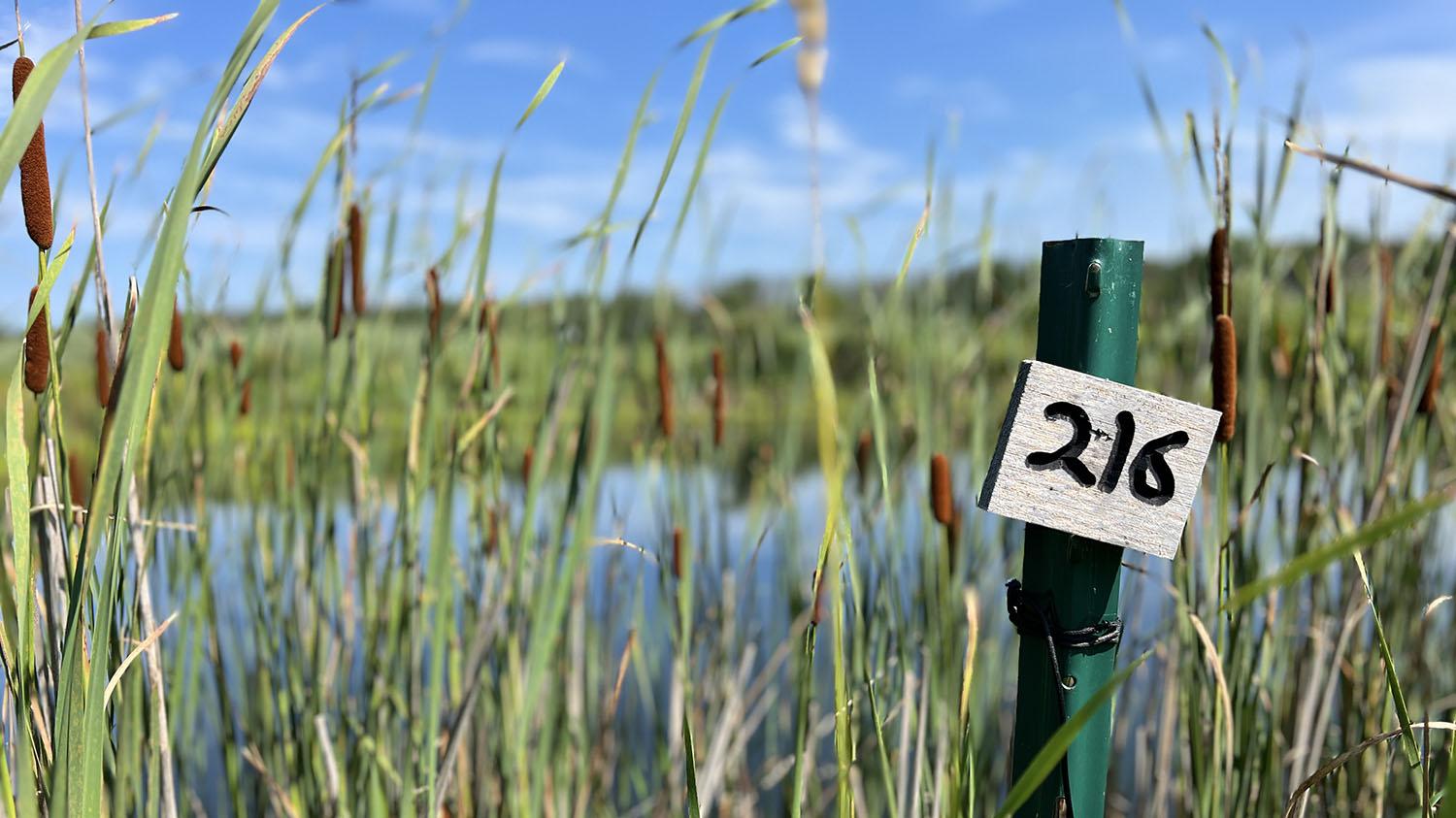
Cornell’s Experimental Ponds Facility is a research and teaching resource operated by our department. For over 50 years, a broad range of field and experimental projects have utilized the Ponds facility. Past and ongoing studies provide valuable insights and solutions into a variety of topics including: conservation of migratory birds; and a broadened understanding of nutrient and chemical pathways in aquatic environments. Research teams from EEB's Holgerson and Vitousek Labs are currently using the Ponds facility for their research programs.
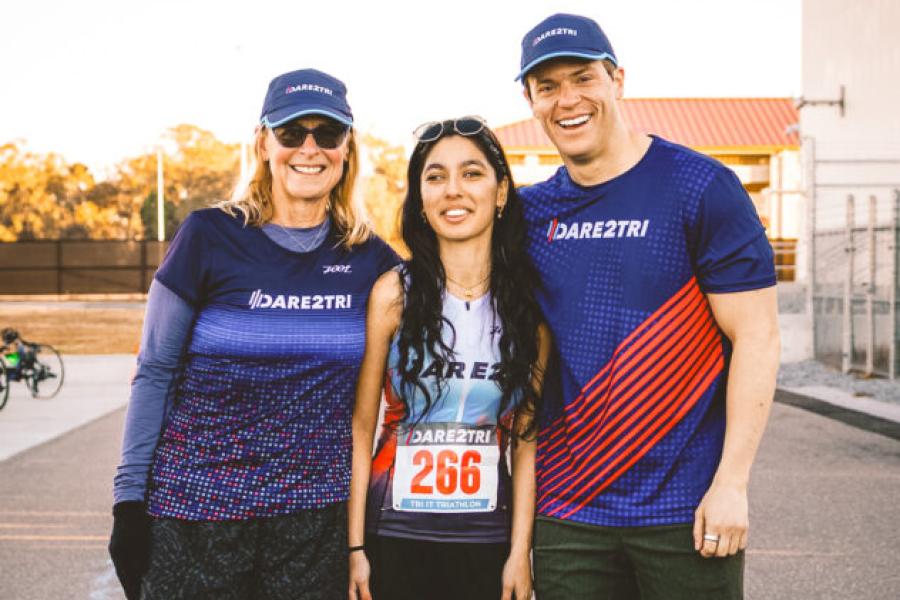
Cornell University alumni Adam Wolford '14, Christine Shaw Palmquist '87, and Manahil Jafri '25 crossed paths at a Dare2Tri adaptive triathlon camp in Tampa, Florida, where Wolford volunteered alongside athletes with physical disabilities. The personal essay, published April 2026 in Cornellians, reflects on the deeper purpose of sport after witnessing disabled athletes rediscover speed and competition through the nonprofit's swim, bike, and run programming.
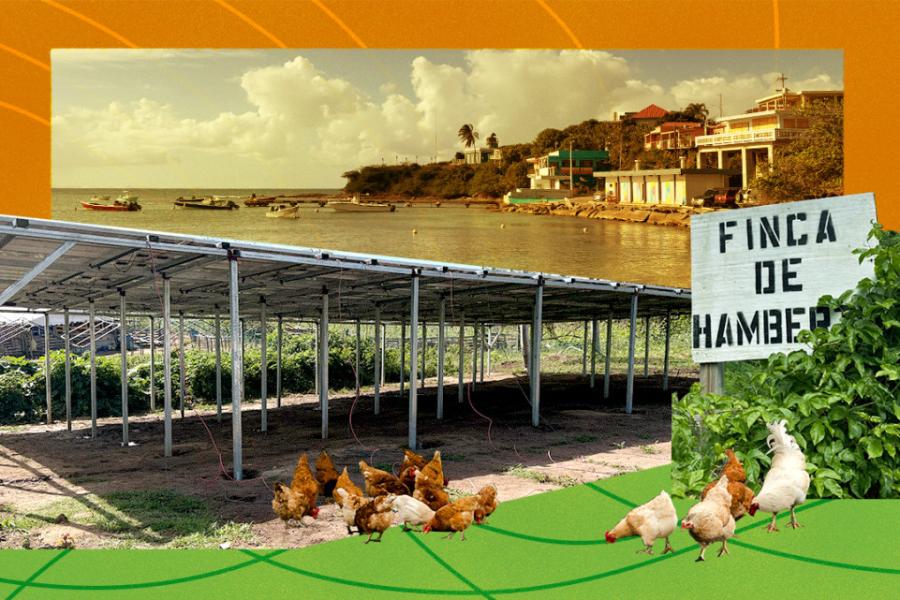
A collaboration with Cornell is bringing relief to Vieques, a Puerto Rican island that still has unreliable power nine years after Hurricane Maria. A solar-powered battery that operates independently of the main island’s grid is the first installment of a project led by Héctor Abruña, chemistry professor in Cornell's College of Arts and Sciences – still to come is a green-hydrogen fuel cell system.
Cornell University Arts & Sciences ambassador shares advice for freshmen adjusting to college life.
The College of Arts & Sciences column emphasizes campus libraries, exploring majors, professor mentorship, community and balanced self-care.
Economist Kevin Corinth will give a talk, “Living Standards Across Generations: Are Younger Americans Falling Behind?” April 20 at 5:30 p.m. in 198 Statler Hall. Sponsored by Cornell University's Program on Freedom and Free Societies, Corinth will argue that the truth about living standards is nuanced.
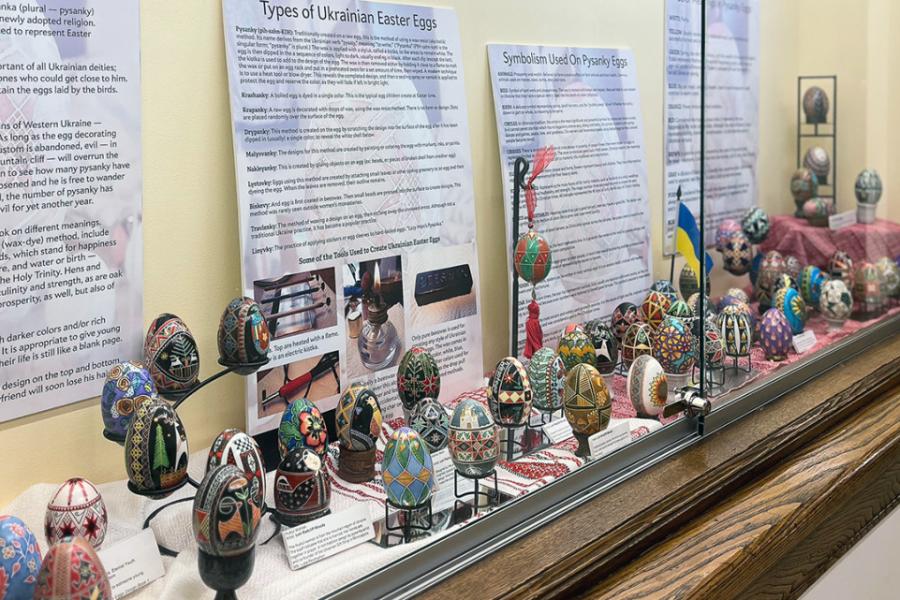
Ukrainian Easter eggs, or pysanky, are on display in Goldwin Smith Hall in Cornell’s College of Arts and Sciences through the end of the spring 2026 semester. The exhibit, displaying work by staff member Lori Radcliff-Woods, is one of several new initiatives Cornell’s Ukrainian Program is undertaking to bring the culture, language and history of Ukraine to the Cornell community.
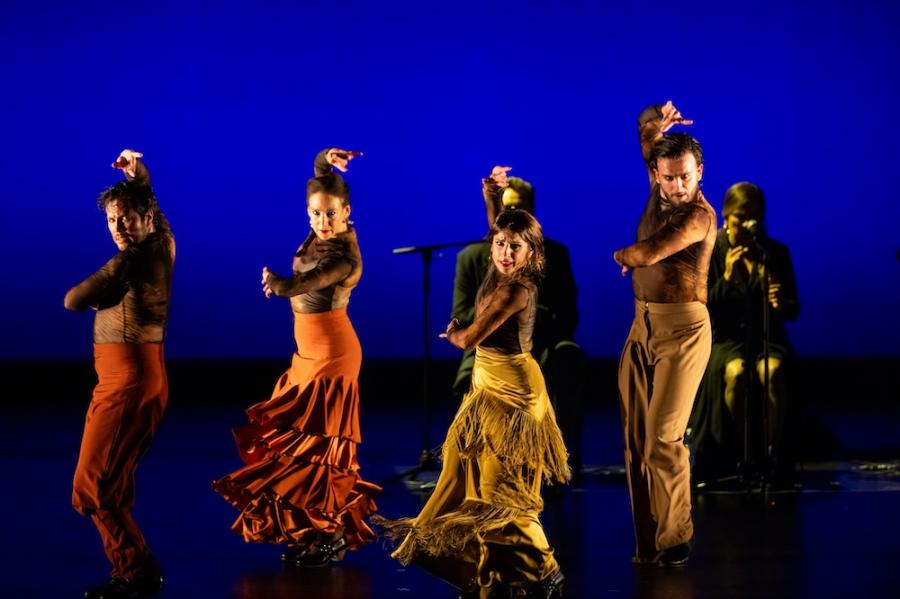
The Dallas Morse Coors Concert Series at Cornell University closes its 2025-26 season with renowned company Flamenco Vivo Carlota Santana at Bailey Hall during a performance on April 11 at 7:30 p.m. The event features QUINTO ELEMENTO (Fifth Element), a new work by dancer/choreographer Patricia Guerrero, featuring an original live score by Francis Gómez.
Emotional posts rarely persuade online audiences, Cornell University research finds. Experiments by College of Arts & Sciences scholar Talbot Andrews and collaborators revealed that news and social media audiences view emotional climate change messages as inauthentic, even among allies.
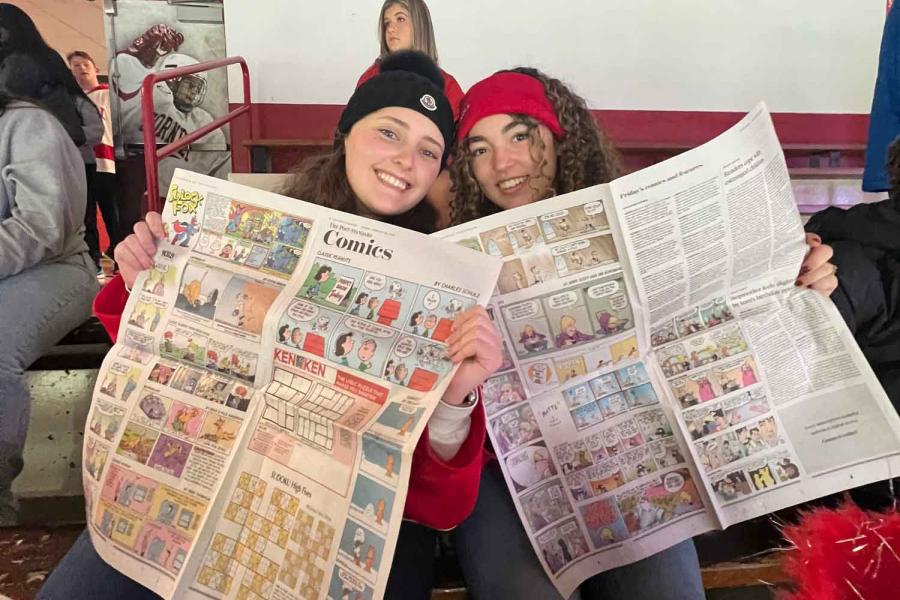
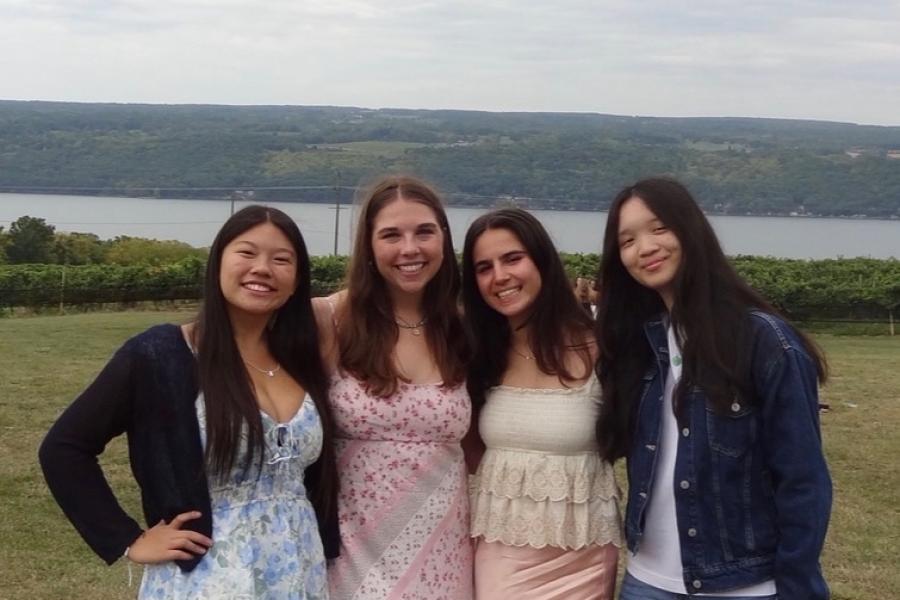
A Cornell University student reflects on finding community and belonging across campus networks, including the College of Arts & Sciences. The personal column highlights how overlapping student organizations, friendships, and shared experiences make a large university feel connected and welcoming.